Inspector Information

John Smith
Smith's Mold Inspections
1234 Maple Avenue
Rosemont, IL
60018

Phone: 847-555-2922
Cell: 847-555-1017
Fax: 847-555-2921
E-mail: js@s-inspect-co.com
Web: http://s-inspect-co.com
Client Information

John and Teresa Reynolds
1234 Sugar Court
Mount Prospect, IL
60056

Phone: 627-555-2822
Cell: 627-555-3488
E-mail: jtreynolds2373@hotmail.com
Date of Inspection: Dec. 10, 2006
Time: 2:30 P.M.
Weather Conditions: 40 degrees F.
Attendance: Buyer


Property Address:
5678 Lemon Street
Mount Prospect, IL
60056


REPORT CONFIDENTIALITY
This report is solely for the benefit of the Client. Any person or party designated by the Client to receive information in this report shall be subject to the TERMS AND CONDITIONS contained herein. Such designation shall be provided in writing to the inspector.

GROUNDS

This inspection is not intended to address or include any geological conditions or site stability information. For information concerning these conditions, a geologist or soils engineer should be consulted. Any reference to grade is limited to only areas around the exterior of the exposed foundation or exterior walls. This inspection is visual in nature and does not attempt to determine drainage performance of the site or the condition of any underground piping, including municipal water and sewer service piping or septic systems. When decks and porches are built close to the ground where no viewing or access is possible, we cannot make accurate opinions. These areas as well as others that are too low to enter, or in some other manner not accessible, are excluded from the inspection and are not addressed in this report. We routinely recommend that inquiry be made with the seller about knowledge of conditions.


Grading At House
Condition: Preventive Maintenance Needed

Observations:
The ground slopes toward the house. This is a maintenance issue. The ground should slope away from the structure at least 1-inch per foot for at least 5 feet to direct water away from the foundation. Water that collects at the foundation can eventually penetrate the exterior walls and lead to mold infiltration. Recommend maintenance by an experienced landscaper.
There is debris near exterior walls. This is a maintenance issue. Debris near the house such as wood and leaves can retain moisture, transferring it to the house siding or its foundation, which can lead to mold growth. Recommend maintenance by an experienced landscaper.

Comments:
Regular maintenance needed


Soil and Landscaping
Condition: Preventive Maintenance Needed

Observations:
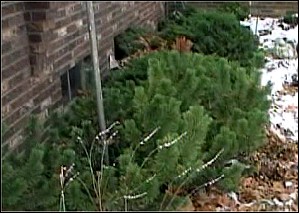
There is vegitation close to the structure. This is a maintenance issue. Vegetation should be kept at least several feet from the house because the roots retain moisture that can keep soil near the siding and foundation perpetually wet where mold can form. Recommend maintenance by an experienced landscaper.
There is soil built-up against the wall. This is a maintenance issue. Soil should be evenly graded along the side of a house. Because it retains moisture, soil should not be close to any siding material. Recommend maintenance by an experienced landscaper or a licensed contractor.

Comments:
Regular maintenance needed.


General Drainage
Condition: Monitor Condition

Observations:
There is a lake or pond near the structure that could cause drainage problems. This is a potential issue to monitor. A lake or pond in the vicinity can indicate a high water table where rainwater may have more difficulty draining away, or can overflow towards the property. Recommend consulting an expert about any geological risks associated with the area.

Comments:
The pond faces the northwest corner of the house.


EXTERIOR

Our inspection of the Exterior grounds includes the surface drainage, grading, sidewalks, patios, and driveways adjacent to the structure. The inspection of the exterior of the building includes the cladding, trim, eaves, fascias, decks, porches, downspouts, doors, windows and flashings. Areas hidden from view by finished walls or stored items cannot be judged and are not a part of this inspection. The grading of the soil should allow for surface and roof water to flow away from the foundation. All items listed are inspected for their susceptibilityto water and mold infiltration and general water damage. Where deck carpeting, stacked firewood, excessive vegetation, soil and other coverings are installed over decking and patio surfaces, the materials or their nature of construction and condition of the underneath these coverings cannot be determined.


Porch or Patio
Condition: Remediation or Repair Required

Observations:
There were signs of water damage observed. This is a moderate to serious issue. Water intrusion into the structure can lead to mold growth and other problems. Removing water-damaged materials for repair or replacement may reveal further damage and microbial growth. Recommend maintenance by a licensed contractor.

Comments:
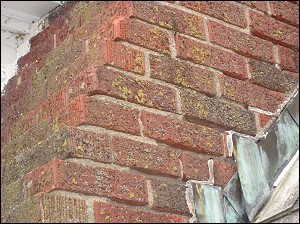
Water appears to be penetrating porch foundation and destroying bricks through frost action.

Patio
Condition: Remediation Required

Observations:
There were signs of microbial growth observed. This is a moderate to serious issue. Suspected microbial growth and its toxicity can only be confirmed by sampling and laboratory testing. Sampling can include tape, swab, air, or bulk methods. The method of remediation depends upon the type of mold. Recommend a mold remediation plan to address clean-up and prevention.

Comments:
Northwest patio corner. Client accepted sampling.

Steps to Building
Condition: Preventive Maintenance Needed

Observations:
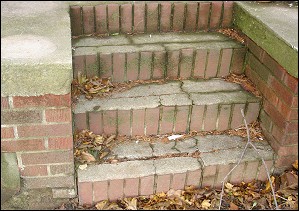
There are cracks/open penetrations observed. This is a maintenance issue. Penetrations that allow water to collect or enter the structure create conditions where mold can grow. Water damage or microbial growth occurring as a result may not be visible at the point of penetration. Recommend maintenance by a licensed contractor.

Comments:
Deteriorated and sloping.


Window Wells
Condition: Preventive Maintenance Needed

Observations:
There are signs of deterioration to the grout/caulking. This is a maintenance issue. Deteriorated or incorrectly applied grout and caulking can allow water to penetrate the structure, resulting in water damage or mold growth. Water damage or microbial growth occurring may be hidden from view. Recommend maintenance by a licensed contractor.

Comments:
West side of structure.


Wall Covering
Condition: Remediation or Repair Required

Observations:
There were signs of water damage observed. This is a moderate to serious issue. Water intrusion into the structure can lead to mold growth and other problems. Removing water-damaged materials for repair or replacement may reveal further damage and microbial growth. Recommend maintenance by a licensed contractor.
There were holes or deflections observed in the wall covering. This is a maintenance issue. Penetrations that allow water to collect or enter the structure create conditions where mold can grow. Water damage or microbial growth occurring as a result may not be visible at the point of penetration. Recommend maintenance by a licensed contractor.

Comments:
Siding on west side. Gaps and penetrations mainly on west exterior.


Gutters
Condition: Repair and Replacement Needed

Observations:
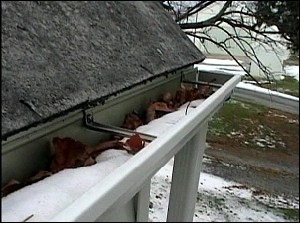
There was a build-up of debris in the gutters. This is a maintenance issue. Partially blocked gutters can allow water to penetrate the siding, and can lead to wet conditions where mold can grow. Recommend regular cleaning and maintenance of gutters.
There are gutters missing. This is a maintenance issue. A lack of gutters allows roof drainage to pool water near the foundation walls and to run down exterior walls. Water that collects at the foundation can eventually penetrate the exterior walls and lead to mold infiltration. Recommend maintenance by a licensed contractor.

Comments:
East and north sides of structure, and garage.


Downspouts
Condition: Repair and Replacement Needed

Observations:
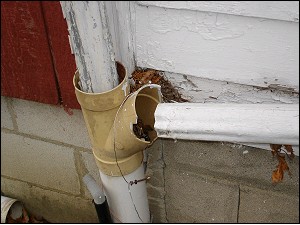
The downspouts appear damaged or deteriorated. This is a maintenance issue. Downspouts direct water from gutters away from the structure, rather than near the foundation walls where water can penetrate the structure and lead to mold infiltration. Recommend maintenance by a licensed contractor.
There are missing downspouts. This is a maintenance issue. Downspouts direct water from gutters away from the structure, rather than near the foundation walls where water can penetrate the structure and lead to mold infiltration. Recommend maintenance by a licensed contractor.

Comments:
Missing north side of structure, garage, patio.


Chimney
Condition: Remediation Required

Observations:
There were signs of microbial growth observed. This is a moderate to serious issue. Suspected microbial growth and its toxicity can only be confirmed by sampling and laboratory testing. Sampling can include tape, swab, air, or bulk methods. The method of remediation depends upon the type of mold. Recommend a mold remediation plan to address clean-up and prevention.
There flashing appears improperly installed. This is a maintenance issue. When installed correctly, flashing prevents water from entering the structure at roof joints and penetrations. Water that travels beneath flashing can saturate the roof sheathing, leading to conditions that allow mold to form and thrive. Recommend maintenance by a licensed contractor.
The flashing appears damaged/deteriorated. This is a maintenance issue. Flashing that no longer functions properly can allow water to enter the structure, possibly leading to conditions that allow mold infiltration.

Comments:
Flashing is rusted and caulked.


Exterior Door 1
Location: South side
Condition: Sample Testing Needed

Observations:
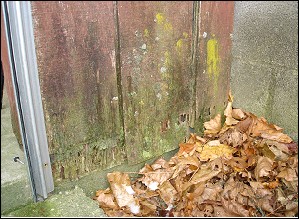
There were signs of microbial growth observed. This is a moderate to serious issue. Suspected microbial growth and its toxicity can only be confirmed by sampling and laboratory testing. Sampling can include tape, swab, air, or bulk methods. The method of remediation depends upon the type of mold. Recommend a mold remediation plan to address clean-up and prevention.
There were signs of water damage observed. This is a moderate to serious issue. Water intrusion into the structure can lead to mold growth and other problems. Removing water-damaged materials for repair or replacement may reveal further damage and microbial growth. Recommend maintenance by a licensed contractor.
There were signs of dry rot. This is a moderate to serious issue. Dry rot is a type of microbial growth that feeds on moisture-rich wood from the inside out. Removing water-damaged materials for repair or replacement may reveal further damage and microbial growth. Recommend maintenance by a licensed contractor.
There were cracks/open penetrations observed. This is a maintenance issue. Penetrations that allow water to collect or enter the structure create conditions where mold can grow. Water damage or microbial growth occurring as a result may not be visible at the point of penetration. Recommend maintenance by a licensed contractor.

Comments:
South side door panels are exposed. Wood exterior back door appears very old and has been exposed to the elements.


Window 1
Location: West side
Condition: Repair and Replacement Needed

Observations:
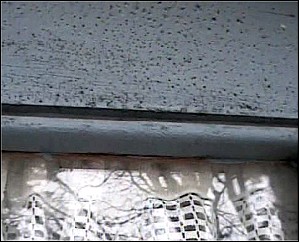
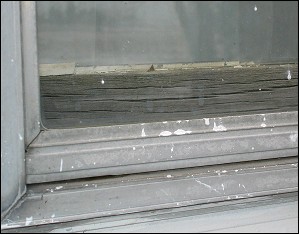
There were signs of water damage observed. This is a moderate to serious issue. Water intrusion into the structure can lead to mold growth and other problems. Removing water-damaged materials for repair or replacement may reveal further damage and microbial growth. Recommend maintenance by a licensed contractor.
There were signs of dry rot. This is a moderate to serious issue. Dry rot is a type of microbial growth that feeds on moisture-rich wood from the inside out. Removing water-damaged materials for repair or replacement may reveal further damage and microbial growth. Recommend maintenance by a licensed contractor.
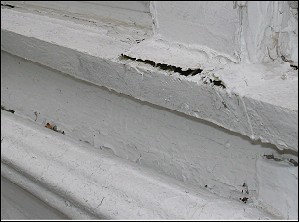
Water can pool on the sill. This is a maintenance issue. Pooling water can penetrate the surface and and enter the structure, creating conditions where mold can grow or deteriorate materials. Recommend maintenance by a licensed contractor.
The paint is deteriorated. This is a maintenance issue. If paint is peeling, water can collect behind the paint and create conditions where mold can grow or deteriorate the surface. Recommend maintenance by a licensed contractor.
There were cracks/open penetrations observed. This is a maintenance issue. Penetrations that allow water to collect or enter the structure create conditions where mold can grow. Water damage or microbial growth occurring as a result may not be visible at the point of penetration. Recommend maintenance by a licensed contractor.
The grout/caulking is deteriorated. This is a maintenance issue. Deteriorated or incorrectly applied grout and caulking can allow water to penetrate the structure, resulting in water damage or mold growth. Water damage or microbial growth occurring may be hidden from view. Recommend maintenance by a licensed contractor.

Comments:
Three windows together on west side of structure.

STRUCTURE

The inspection of the structural components includes the foundation, roof covering, attic, basement, crawl space, and garage. The inspection of the roof system includes a visual examination of the surface materials, connections, penetrations and roof drainage systems. We examine the roof system for possible leaks, open penetrations, and mold growth. We may offer opinions concerning repair and/or replacement if warranted. Opinions stated herein concerning the roofing material are based on the general condition of the roof system as evidence by our visual inspection. These do not constitute a warranty that the roof is or will remain, free of leaks. All roofing systems require annual maintenance. Failure to perform routine maintenance will usually result in leaks and accelerated deterioration of the roof covering and flashings. The only way to determine whether a roof is absolutely watertight is to observe it during a prolonged rainfall. Many times, this situation is not present during the inspection and we cannot confirm this condition. We suggest that an annual inspection of the Attic area be performed where accessible to identify if any leaks are evident. It is not unusual to find occasional moisture and dampness in the Crawl Spaces or basements and we advise annual inspections of this area. Significant or frequent water accumulation can promote mold growth and would indicate the need for further evaluation by professional drainage contractor. We advise to monitor your Crawlspace during the rainy season. The Garage is inspected as best as possible, but can be limited due to parked cars or personal stored items. Due to this area be cluttered or areas being inaccessible, it is common for sections that cannot not be fully inspected or items identified during our limited inspection. We suggest that a walk-through be performed once the home is vacant. If this is a new construction inspection or vacant home this area will be inspected thoroughly.
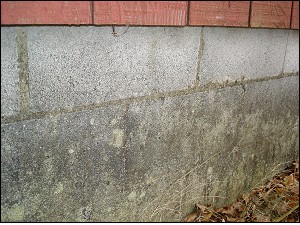
Foundation
Condition: Preventive Maintenance and Remediation Needed

Observations:
There were signs of microbial growth observed. This is a moderate to serious issue. Suspected microbial growth and its toxicity can only be confirmed by sampling and laboratory testing. Sampling can include tape, swab, air, or bulk methods. The method of remediation depends upon the type of mold. Recommend a mold remediation plan to address clean-up and prevention.
There were cracks/open penetrations observed. This is a maintenance issue. Penetrations that allow water to collect or enter the structure create conditions where mold can grow. Water damage or microbial growth occurring as a result may not be visible at the point of penetration. Recommend maintenance by a licensed contractor.
The foundation was inaccessible or obstructed. There were some areas that could not be inspected due to visual inaccessibility. Obstructions can include such things as vegetation, wall coverings, furniture, and other items that limit this visual inspection. Conditions that existed on the day of the inspection may not be present at a later time.

Comments:
Mold-like substance on northwest portion. Client declined sampling.
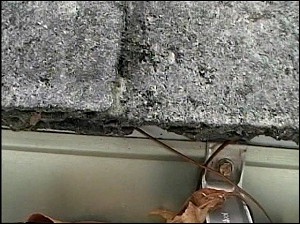
Roof Covering
Condition: Preventive Maintenance and Remediation Needed
Viewed From: Ladder
The inspector viewed a portion of the roof from a ladder. Some areas of the roof covering and penetrations may not have been inspected due to limited visual accessibility. Conditions that existed on the day of the inspection may not be present at a later time.

Observations:
There were signs of microbial growth observed. This is a moderate to serious issue. Suspected microbial growth and its toxicity can only be confirmed by sampling and laboratory testing. Sampling can include tape, swab, air, or bulk methods. The method of remediation depends upon the type of mold. Recommend a mold remediation plan to address clean-up and prevention.
There were cracks/open penetrations observed. This is a maintenance issue. Penetrations that allow water to collect or enter the structure create conditions where mold can grow. Water damage or microbial growth occurring as a result may not be visible at the point of penetration. Recommend maintenance by a licensed contractor.
The view of the roof is obstructed. Some areas of the roof covering and penetrations may not have been inspected due to limited visual accessibility. Conditions that existed on the day of the inspection may not be present at a later time.

Comments:
Chimney blocked south view. Patio and garage blocked view on north side.
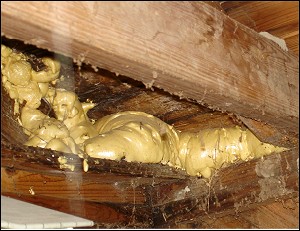
Attic
Condition: Sample Testing Needed
Access Method: Door in West Bedroom

Observations:
There were signs of microbial growth observed. This is a moderate to serious issue. Suspected microbial growth and its toxicity can only be confirmed by sampling and laboratory testing. Sampling can include tape, swab, air, or bulk methods. The method of remediation depends upon the type of mold. Recommend a mold remediation plan to address clean-up and prevention.
There were signs of water damage observed. This is a moderate to serious issue. Water intrusion into the structure can lead to mold growth and other problems. Removing water-damaged materials for repair or replacement may reveal further damage and microbial growth. Recommend maintenance by a licensed contractor.
There were water stains on the sheathing. This is a maintenance issue. Water stains or effervescence, a white mineral substance, indicate past water intrusion in this area, which can lead to microbial growth. Recommend maintenance by a licensed contractor.

Comments:
Cannot tell if there is active leak. There were some areas that could not be inspected due to visual inaccessibility.
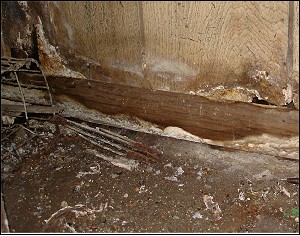
Basement
Condition: Remediation Required
Floor Drain: Present
Sump Pump: Present
Wall Coverings: Not Present

Observations:
There were signs of microbial growth observed. This is a moderate to serious issue. Suspected microbial growth and its toxicity can only be confirmed by sampling and laboratory testing. Sampling can include tape, swab, air, or bulk methods. The method of remediation depends upon the type of mold. Recommend a mold remediation plan to address clean-up and prevention.
There were signs of water damage observed. This is a moderate to serious issue. Water intrusion into the structure can lead to mold growth and other problems. Removing water-damaged materials for repair or replacement may reveal further damage and microbial growth. Recommend maintenance by a licensed contractor.
There was a musty odor/dampness observed. This is a potential issue to monitor. A musty odor or dampness may indicate past water penetration, insufficient ventilation, or hidden mold. An air sampling test would be required to determine the actual air quality in this area.
There were water stains/effervescence observed. This is a maintenance issue. Water stains or effervescence, a white mineral substance, indicate past water intrusion in this area, which can lead to microbial growth. Recommend maintenance by a licensed contractor.
The area is poorly ventilated. This is a potential issue to monitor. Lack of proper ventilation allows mold to thrive. An air sampling test would be required to determine the actual air quality in this area.

Comments:
Wall coverings present (paneling on northwest wall). Finished surfaces such as drywall or paneling prevent visual access to the structural areas of the home. Undetected water damage or mold growth could be present where such coverings exist. There were some areas that could not be inspected due to visual inaccessibility.

PLUMBING

Our Inspection of the plumbing system includes a visual examination of the exposed portions of the domestic water supply, drain waste, vent, faucets, fixtures, valves, drains, traps, exposed pipes and fittings. These items are examined for excessive or unusual wear, leakage and general state of repair. The hidden nature of piping prevents inspection of every pipe and joint connection, especially in walls, floors and ceiling voids. A sewer lateral test is necessary to determine the condition of the underground sewer lines. This type of test is beyond the scope of this inspection. Our review of the plumbing system does not include landscape irrigation systems, water wells, on site and/or private water supply systems, off site community water supply systems, or private (septic) waste disposal systems unless specifically noted. A qualified specialist prior to the closing of escrow can perform review of these systems. Our inspection of the water heater includes a visual examination of the accessible portions of the tank, gas, electrical and/or water connections, venting and safety valves. These items are examined for excessive or unusual wear, leakage, and microbial growth.
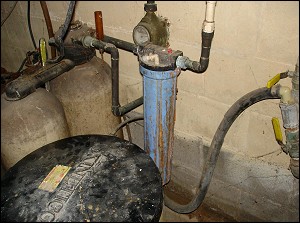
Water Main and Supply Pipes
Condition: Preventive Maintenance Needed

Observations:
There were water stains observed. This is a maintenance issue. Water stains indicate either past water penetration or water vapor condensation. Either condition can lead to microbial growth. Recommend maintenance by a licensed contractor.
There are signs of corrosion/deterioration. This is a maintenance issue. Corrosion on pipes may indicate a potential water leak that could occur at any time. Water leaks can cause significant damage and create conditions where mold can thrive. Recommend maintenance by a licensed contractor.

Comments:
Hot water side has the most corrosion.
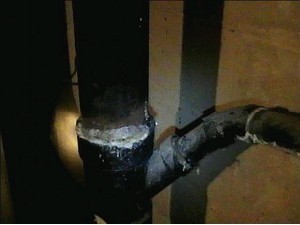
Waste Pipes
Condition: Preventive Maintenance Needed

Observations:
There were water stains observed. This is a maintenance issue. Water stains or effervescence, a white mineral substance, indicate past water intrusion in this area, which can lead to microbial growth. Recommend maintenance by a licensed contractor.
There are signs of corrosion/deterioration. This is a maintenance issue. Corrosion on pipes may indicate a potential water leak that could occur at any time. Water leaks can cause significant damage and create conditions where mold can thrive. Recommend maintenance by a licensed contractor.

Comments:
At cast iron pipe connection in basement.
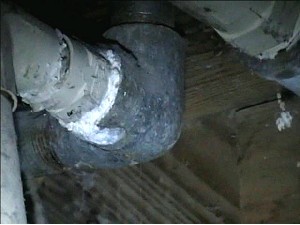
Water Heater
Condition: Preventive Maintenance Needed

Observations:
There was corrosion/deterioration present. This is a maintenance issue. Corrosion on pipes may indicate a potential water leak that could occur at any time. Water leaks can cause significant damage and create conditions where mold can thrive. Recommend maintenance by a licensed contractor.
The extension does not terminate at a floor drain. This is a maintenance issue. If the temperature pressure relief valve is activated, water should have a clear path to a floor drain or other location where water cannot accumulate and cause damage. Recommend maintenance by a licensed contractor.

Comments:
Hot water side has the most corrosion.


Sinks/Drains 1
Location: Upstairs Bathroom
Condition: Maintenance or Repair Needed

Observations:
There is evidence of past leaks. This is a maintenance issue. Water leaks create conditions where mold can grow. Water damage or microbial growth occurring as a result may not be visible at the point of the leak. Recommend maintenance by a licensed contractor.
There is corrosion/deterioration present. This is a maintenance issue. Corrosion on pipes may indicate a potential water leak that could occur at any time. Water leaks can cause significant damage and create conditions where mold can thrive. Recommend maintenance by a licensed contractor.

Comments:
Bathroom below sinks show signs of leaks.
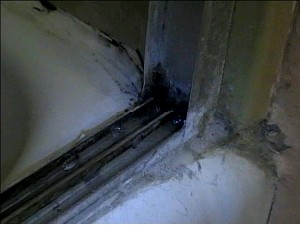
Shower/Tub 1
Location: Upstairs Bathroom
Condition: Remediation Required

Observations:
There were signs of microbial growth observed. This is a moderate to serious issue. Suspected microbial growth and its toxicity can only be confirmed by sampling and laboratory testing. Sampling can include tape, swab, air, or bulk methods. The method of remediation depends upon the type of mold. Recommend a mold remediation plan to address clean-up and prevention.
There were signs of water damage observed. This is a moderate to serious issue. Water intrusion into the walls can lead to mold growth and other problems. Removing water-damaged materials for repair or replacement may reveal further damage and microbial growth. Recommend maintenance by a licensed contractor.
There were cracks/open penetrations observed. This is a maintenance issue. Penetrations that allow water to collect or enter the structure create conditions where mold can grow. Water damage or microbial growth occurring as a result may not be visible at the point of penetration. Recommend maintenance by a licensed contractor.
The shower walls appear deteriorated. This is a maintenance issue. Shower walls will deteriorate over time and become areas of mold infiltration. Recommend maintenance by a licensed contractor.
There is deteriorated grout/caulking. This is a maintenance issue. Deteriorated or incorrectly applied grout and caulking can allow water to penetrate the structure, resulting in water damage or mold growth. Water damage or microbial growth occurring may be hidden from view. Recommend maintenance by a licensed contractor.

Comments:
Shower enclosure. Suspected mold-like substance on tub. Client declined testing.
Toilet 1
Location: Upstairs Bathroom
Condition: Maintenance or Repair Needed

Observations:
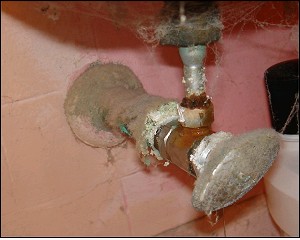
There are signs of corrosion/deterioration. This is a maintenance issue. Corrosion on pipes may indicate a potential water leak that could occur at any time. Water leaks can cause significant damage and create conditions where mold can thrive. Recommend maintenance by a licensed contractor.

Comments:
Upstairs bathroom toilet supply line.

INTERIOR

Our inspection of the Interior includes a visual inspection of the readily accessible portions of the walls, ceilings, floors, doors, cabinetry, countertops, steps, stairways, balconies and railings. Please note that a representative sample of the accessible windows are inspected. These features are examined for excessive wear, water damage, and microbial growth. In some cases, all or portions of these components may not be visible because of furnishings and personal items. In these cases some of the items may not be inspected. The condition of walls behind wall coverings, paneling and furnishings cannot be judged. Only the general condition of visible portions of floors is included in this inspection. The condition of floors underlying floor coverings is not inspected. Our inspection of the bathrooms included a visual examination of the readily accessible portions of the floors, walls, ceilings, cabinets, countertops and plumbing fixtures. Bathrooms are inspected for water drainage, damage, deterioration to floor and walls, active leakage, unusual wear, and microbial growth. Shower pans are visually checked for leakage, but leaks often do not show except when the shower is in actual use. Determining whether shower pans, tub/shower surrounds are watertight is beyond the scope of this inspection. It is very important to maintain all grout and caulking in the bath areas. Very minor imperfections can allow water to get into the wall or floor areas and cause damage. Proper ongoing maintenance will be required in the future.


Kitchen
Condition: Maintenance or Repair Needed

Observations:
There were cracks/open penetrations observed. This is a maintenance issue. Penetrations that allow water to collect or enter the structure create conditions where mold can grow. Water damage or microbial growth occurring as a result may not be visible at the point of penetration. Recommend maintenance by a licensed contractor.

Comments:
Rectangular crack surrounding replacement drywall below upstairs bathroom sink.

Laundry
Condition: Monitor Condition

Observations:
There was a musty odor/dampness observed. This is a potential issue to monitor. A musty odor or dampness may indicate past water penetration, insufficient ventilation, or hidden mold. An air sampling test would be required to determine the actual air quality in this area.
There were water stains observed. This is a maintenance issue. Water stains or effervescence, a white mineral substance, indicate past water intrusion in this area, which can lead to microbial growth. Recommend maintenance by a licensed contractor.
The laundry room (dryer) is poorly ventilated. This is a potential issue to monitor. Lack of proper ventilation allows mold to thrive. An air sampling test would be required to determine the actual air quality in this area.

Comments:
Water stains on floor. No basement ventilation observed.

Window 1
Location: West additional room
Condition: Maintenance or Repair Needed

Observations:
There were signs of water damage observed. This is a moderate to serious issue. Water intrusion into the structure can lead to mold growth and other problems. Removing water-damaged materials for repair or replacement may reveal further damage and microbial growth. Recommend maintenance by a licensed contractor.
There were signs of deterioration observed. This is a maintenance issue. Deteriorated materials may allow water to collect or enter the structure create conditions where mold can grow. Water damage or microbial growth occurring as a result may not be visible at the point of penetration. Recommend maintenance by a licensed contractor.

Comments:
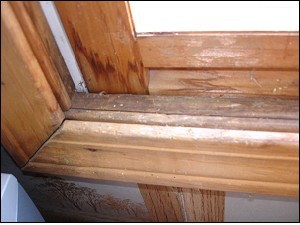
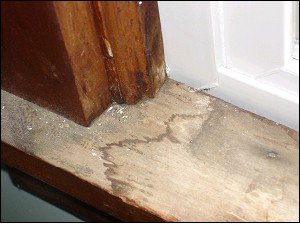
Water has penetrated and damaged interior wood window frame.


Window 2
Location: Northwest corner room.
Condition: Maintenance or Repair Needed

Observations:
There were signs of water damage observed. This is a moderate to serious issue. Water intrusion into the structure can lead to mold growth and other problems. Removing water-damaged materials for repair or replacement may reveal further damage and microbial growth. Recommend maintenance by a licensed contractor.
There were signs of deterioration observed. This is a maintenance issue. Deteriorated materials may allow water to collect or enter the structure create conditions where mold can grow. Water damage or microbial growth occurring as a result may not be visible at the point of penetration. Recommend maintenance by a licensed contractor.

Comments:
Water has penetrated and damaged interior wood window frame.


Window 3
Location: North bedroom upstairs.
Condition: Preventive Maintenance Needed

Observations:
There were signs of water damage observed. This is a moderate to serious issue. Water intrusion into the structure can lead to mold growth and other problems. Removing water-damaged materials for repair or replacement may reveal further damage and microbial growth. Recommend maintenance by a licensed contractor.

Comments:
Water has penetrated and damaged interior wood window frame


Bathroom 1
Location: Downstairs
Condition: Preventive Maintenance Needed
Fan: Not Present

Observations:
There were cracks/open penetrations observed. This is a maintenance issue. Penetrations that allow water to collect or enter the structure create conditions where mold can grow. Water damage or microbial growth occurring as a result may not be visible at the point of penetration. Recommend maintenance by a licensed contractor.
The bathroom is poorly ventilated. This is a potential issue to monitor. Lack of proper ventilation allows mold to thrive. An air sampling test would be required to determine the actual air quality in this area.
The bathroom is carpeted. This is a maintenance issue. Carpet will absorb moisture and create an environment where mold can thrive undetected. Removing carpet may reveal water damage and microbial growth. Recommend installing an alternative bathroom surface that does not absorb moisture.

Comments:
Penetrations are in wall below sink. No ventilation fan.


Bathroom 2
Location: Upstairs
Condition: Remediation Required
Fan: Not Present

Observations:
There were signs of microbial growth observed. This is a moderate to serious issue. Suspected microbial growth and its toxicity can only be confirmed by sampling and laboratory testing. Sampling can include tape, swab, air, or bulk methods. The method of remediation depends upon the type of mold. Recommend a mold remediation plan to address clean-up and prevention.
There were signs of water damage observed. This is a moderate to serious issue. Water intrusion into the structure can lead to mold growth and other problems. Removing water-damaged materials for repair or replacement may reveal further damage and microbial growth. Recommend maintenance by a licensed contractor.
The grout/caulking is deteriorated. This is a maintenance issue. Deteriorated or incorrectly applied grout and caulking can allow water to penetrate the structure, resulting in water damage or mold growth. Water damage or microbial growth occurring may be hidden from view. Recommend maintenance by a licensed contractor.
There were cracks/open penetrations observed. This is a maintenance issue. Penetrations that allow water to collect or enter the structure create conditions where mold can grow. Water damage or microbial growth occurring as a result may not be visible at the point of penetration. Recommend maintenance by a licensed contractor.
The bathroom is poorly ventilated. This is a potential issue to monitor. Lack of proper ventilation allows mold to thrive. An air sampling test would be required to determine the actual air quality in this area.
The bathroom is carpeted. This is a maintenance issue. Carpet will absorb moisture and create an environment where mold can thrive undetected. Removing carpet may reveal water damage and microbial growth. Recommend installing an alternative bathroom surface that does not absorb moisture.

Comments:
Water has penetrated the drywall near the tub. Microbial growth observed on walls above tub and drywall around tub.


Bedroom 1
Location: Upper West
Condition: Satisfactory


Bedroom 2
Location: Upper east
Condition: Satisfactory


Bedroom 3
Location: Upstairs north
Condition: Sample Testing Needed

Observations:
There were signs of microbial growth observed. This is a moderate to serious issue. Suspected microbial growth and its toxicity can only be confirmed by sampling and laboratory testing. Sampling can include tape, swab, air, or bulk methods. The method of remediation depends upon the type of mold. Recommend a mold remediation plan to address clean-up and prevention.
There were signs of water damage observed. This is a moderate to serious issue. Water intrusion into the structure can lead to mold growth and other problems. Removing water-damaged materials for repair or replacement may reveal further damage and microbial growth. Recommend maintenance by a licensed contractor.

Comments:
Ceiling tiles. Roof above may have active leak.


Closet 1:
Condition: Preventive Maintenance Needed
Location: Main level Southwest

Observations:
There were water stains observed. This is a maintenance issue. Water stains indicate past water intrusion in this area, which can lead to microbial growth. Recommend maintenance by a licensed contractor.
There were cracks/open penetrations observed. This is a maintenance issue. Penetrations that allow water to collect or enter the structure create conditions where mold can grow. Water damage or microbial growth occurring as a result may not be visible at the point of penetration. Recommend maintenance by a licensed contractor.

Comments:
Stains on floor, ceiling. Gap at chimney.


Other Room: Office downstairs
Location: west side
Condition: Monitor Condition

Observations:
There were water stains observed. This is a maintenance issue. Water stains indicate past water intrusion in this area, which can lead to microbial growth. Recommend maintenance by a licensed contractor.

Comments:
Ceiling near window. Does not appear to be an active leak.


Other Room: Living Room
Location: Downstairs
Condition: Satisfactory


Other Room: Exercise room
Location: Main level Northwest
Condition: Monitor Condition

Observations:
There were water stains observed. This is a maintenance issue. Water stains indicate past water intrusion in this area, which can lead to microbial growth. Recommend maintenance by a licensed contractor.

Comments:
Ceiling on north side is affected.

HVAC

Our examination of the heating and cooling system includes a visual examination of the exposed and accessible heating equipment, venting and the means of air distribution including the filtration system, return air box, condensate drain and pump lines, humidifier, and ducts and vents. Our inspection of the heating and cooling system includes a visual examination of the accessible components listed. These items are examined for excessive or unusual wear, water damage, and microbial growth. Please also refer to the pre-inspection contract for a detailed explanation of the scope of this inspection.

Filter
Condition: Satisfactory

Comments:
Recommend a cleaning schedule for filter. A clean filter is the first line of defense against airborne particles including mold spores.

Return Air Box
Condition: Satisfactory


Condensation Drain and Pump Lines
Condition: Monitor Condition

Comments:
The drain line empties into the sump pump, making that area perpetually wet. Ideally this line should go to a floor drain or outside the structure. Recommend cleaning condensate drain. The condensate drain requires seasonal maintenance by a qualified HVAC serviceman. Drain panes can easily become clogged with debris and become a breeding ground for mold.
Ducts and Vents
Condition: Sample Testing Needed

Observations:
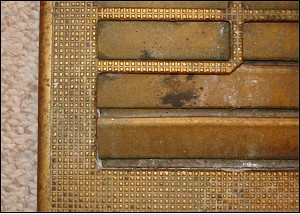
There were signs of microbial growth observed. This is a moderate to serious issue. Suspected microbial growth and its toxicity can only be confirmed by sampling and laboratory testing. Sampling can include tape, swab, air, or bulk methods. The method of remediation depends upon the type of mold. Recommend a mold remediation plan to address clean-up and prevention.

Comments:
Upstairs bathroom, suspected mold-like substance on vent grid. Client accepted sampling. Recommend a cleaning schedule for vents and ducts. Annual cleaning of vents and ducts by professionals can improve air quality in your home.

SAMPLING

There are various ways to test mold for toxicity. The method used to test mold normally depends on the situation, the type of microbial growth observed, the location, and the accessibility of the sample. The inspector will get the clients authorization before taking a sample to be sent to a lab for analysis. Mold samples are collected in the manner that is most appropriate for each situation. All microbial growth should be considered hazardous until labratory analysis has determined otherwise.
Microbial Sample 1
Type: Tape
Location: Exterior northwest patio corner
Client Authorization: Declined

Environmental Factors
Temperature: 40 F°
Humidity: Moderate%
Lab Code: 67534-TS-N/W-EXT
Volume:
Cassette Type:
Microbial Sample 2
Type: Tape
Location: Location: Upstairs bathroom vent
Client Authorization: Declined

Environmental Factors
Temperature: 75 F°
Humidity: High%
Lab Code: 67534-TS-BA#1
Volume:
Cassette Type: